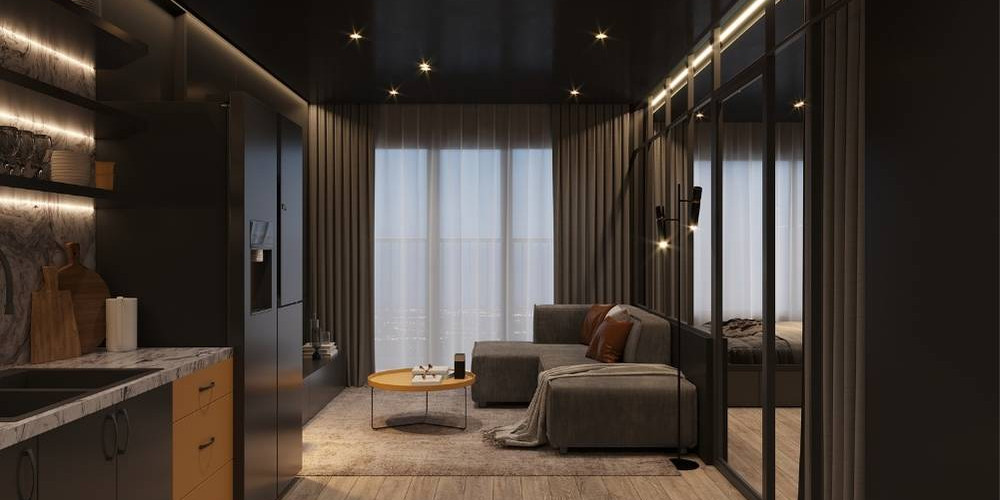
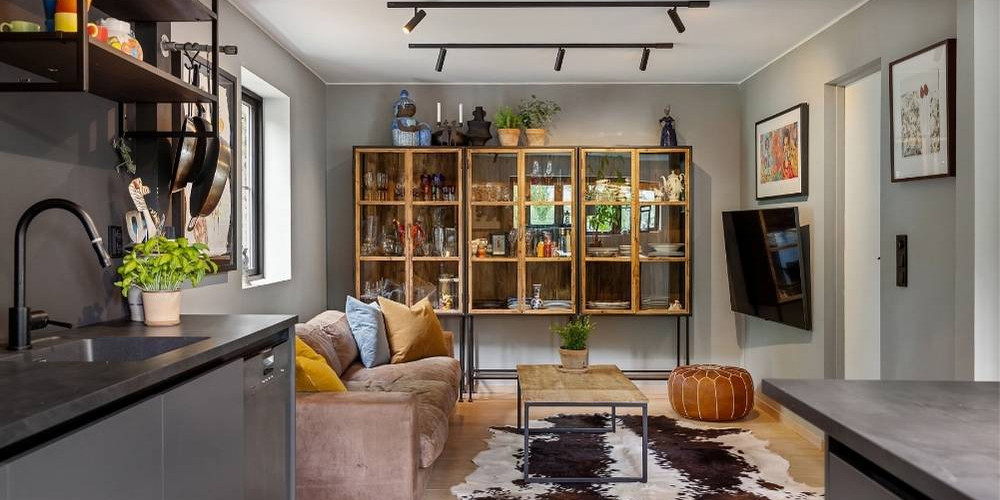
Designing a small space comes with unique challenges — limited square footage, restricted storage, and layout constraints. Yet, with thoughtful styling strategies, compact homes can feel open, functional, and visually striking.
The key to successful small-space styling lies in maximising functionality while maintaining aesthetic balance. Smart design decisions transform limitations into creative opportunities.
Why Small Space Design Requires Strategy
In smaller homes or apartments, every design choice has a noticeable impact. Furniture size, colour selection, lighting, and storage solutions must work together cohesively.
Effective small space styling focuses on:
- Visual openness
- Multi-functionality
- Smart storage integration
- Proportional furniture selection
- Strategic colour use
When these elements align, even compact spaces can feel expansive.
1. Use Light Colours to Expand Visual Space
Colour significantly influences spatial perception.
Light, neutral tones such as:
- Soft whites
- Warm beiges
- Light greys
- Muted pastels
reflect natural light and create an airy atmosphere. While darker colours can add depth, they should be used strategically as accents rather than dominant shades.
A balanced colour palette enhances openness without sacrificing personality.
2. Invest in Multifunctional Furniture
In small spaces, furniture should serve more than one purpose.
Smart solutions include:
- Storage ottomans
- Sofa beds
- Extendable dining tables
- Wall-mounted desks
- Beds with built-in drawers
Multifunctional pieces reduce clutter and maximise usability without overcrowding the room.
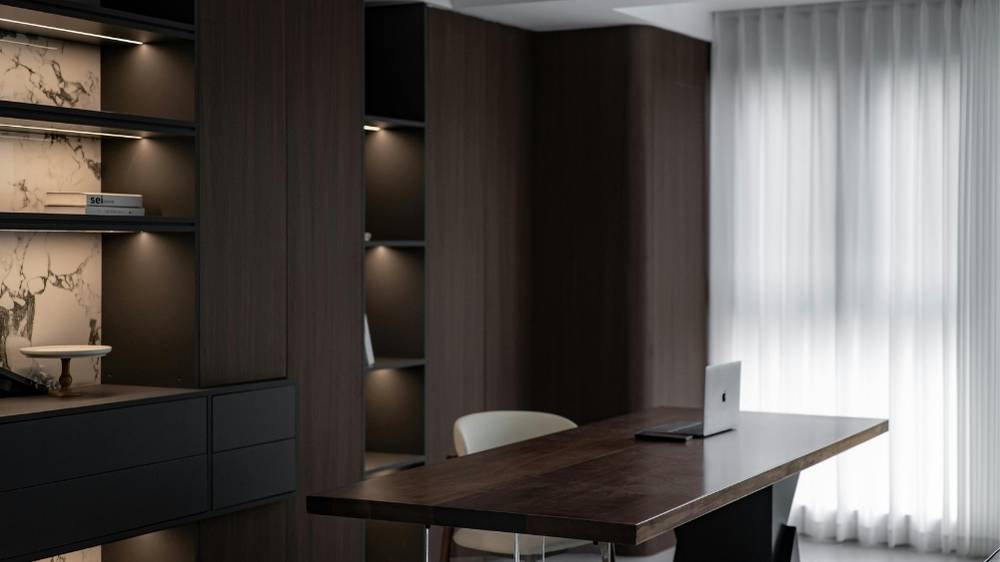
3. Embrace Vertical Storage
When floor space is limited, vertical space becomes valuable.
Consider:
- Tall shelving units
- Wall-mounted cabinets
- Floating shelves
- Hanging storage systems
- Over-door organisers
Vertical storage keeps essentials accessible while preserving open floor areas.
4. Optimise Lighting for Depth
Lighting plays a crucial role in making small spaces feel larger.
Layered lighting strategies include:
- Ceiling fixtures for general illumination
- Wall sconces to free up surface space
- Table or floor lamps for warmth
- Under-cabinet lighting for depth
Natural light should be maximised by using sheer curtains or minimal window treatments.
Proper lighting prevents compact spaces from feeling confined.
5. Incorporate Mirrors Strategically
Mirrors reflect light and visually double perceived space.
Effective placement includes:
- Opposite windows
- Behind key focal points
- In narrow hallways
- Above consoles or sideboards
Large statement mirrors can serve both decorative and functional purposes.
6. Choose Scaled and Streamlined Furniture
Oversized furniture overwhelms small rooms.
Select pieces that are:
- Proportionate to the room
- Raised on legs to create visual openness
- Clean-lined rather than bulky
- Compact yet comfortable
Maintaining visual flow prevents overcrowding.
7. Create Clear Zones in Open Layouts
Small spaces often combine multiple functions within one area.
Define zones using:
- Area rugs
- Subtle lighting variations
- Furniture placement
- Low-profile dividers
- Colour variation within the same palette
Clear zoning enhances organisation and prevents visual chaos.
8. Declutter and Curate Thoughtfully
Clutter can quickly overwhelm compact interiors.
Adopt a curated styling approach:
- Limit decorative accessories
- Display only meaningful items
- Rotate décor seasonally
- Use concealed storage solutions
Minimal but intentional styling increases perceived space and sophistication.
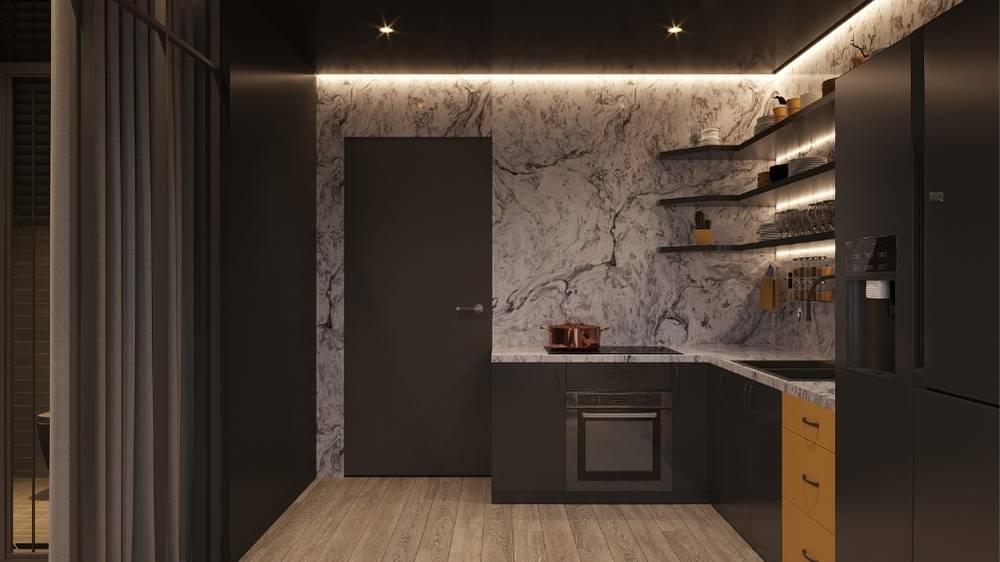
9. Add Texture for Depth Without Bulk
Small spaces benefit from visual depth created through texture rather than large decorative pieces.
Layer with:
- Textured cushions
- Woven rugs
- Linen curtains
- Wood accents
- Soft throws
Texture adds character while maintaining simplicity.
10. Use Statement Pieces Wisely
Even small spaces can handle bold design elements when used strategically.
Consider:
- A feature wall
- Statement artwork
- Sculptural lighting
- Bold accent chair
One focal point can create impact without overwhelming the room.
Strategic Takeaway
Small spaces demand intentional design choices. By focusing on:
- Light-enhancing colour schemes
- Multifunctional furniture
- Vertical storage solutions
- Strategic lighting
- Scaled furnishings
- Thoughtful decluttering
homeowners can create interiors that feel larger, more organised, and visually compelling.
Small space design is not about limitation — it is about maximising potential. With creative styling strategies, even compact homes can deliver big impact and lasting comfort.