Contemporary home design continues to evolve alongside lifestyle changes, technological advancements, and shifting aesthetic preferences. Today’s interiors prioritise functionality, comfort, and visual clarity while embracing innovation and sustainability.
Understanding current contemporary home design trends helps homeowners create spaces that feel modern yet timeless — stylish without sacrificing practicality.
What Defines Contemporary Interior Design?
Contemporary design reflects the present moment. Unlike traditional or historical styles, it adapts continuously to cultural and technological shifts.
Key characteristics of contemporary interiors include:
- Clean architectural lines
- Open-plan layouts
- Neutral foundations with accent contrasts
- Minimal ornamentation
- Integration of technology
- Emphasis on natural light
Contemporary design balances simplicity with sophistication.
1. Warm Minimalism
Minimalism remains influential, but today’s approach is softer and more inviting.
Modern minimalism features:
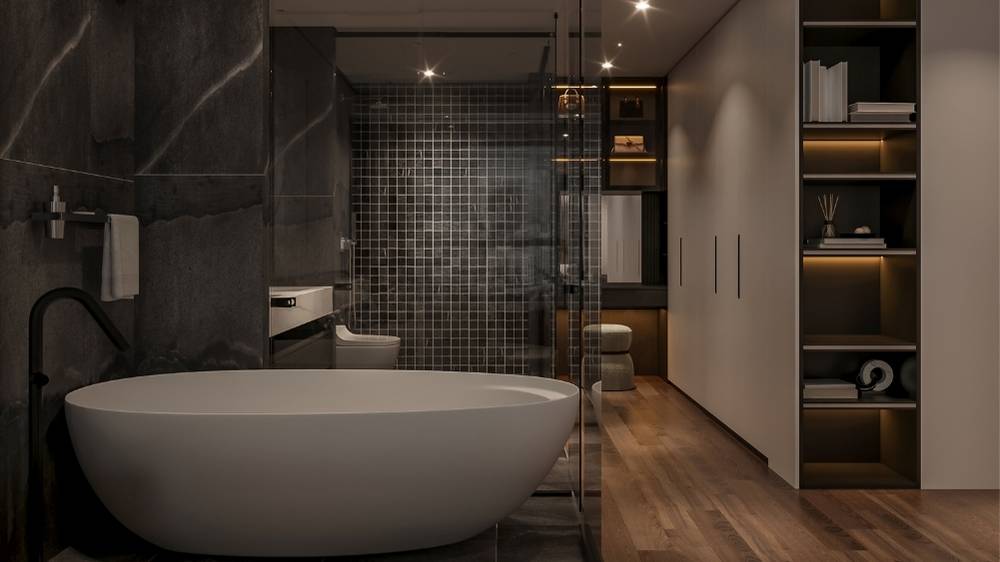
- Warm neutral tones (beige, taupe, warm grey)
- Layered textures
- Natural materials such as wood and linen
- Subtle contrasts rather than stark black-and-white schemes
This shift creates interiors that feel calm yet comfortable, avoiding the sterile atmosphere once associated with minimalism.
2. Natural and Sustainable Materials
Sustainability is shaping modern interiors significantly.
Homeowners increasingly prioritise:
- Reclaimed wood
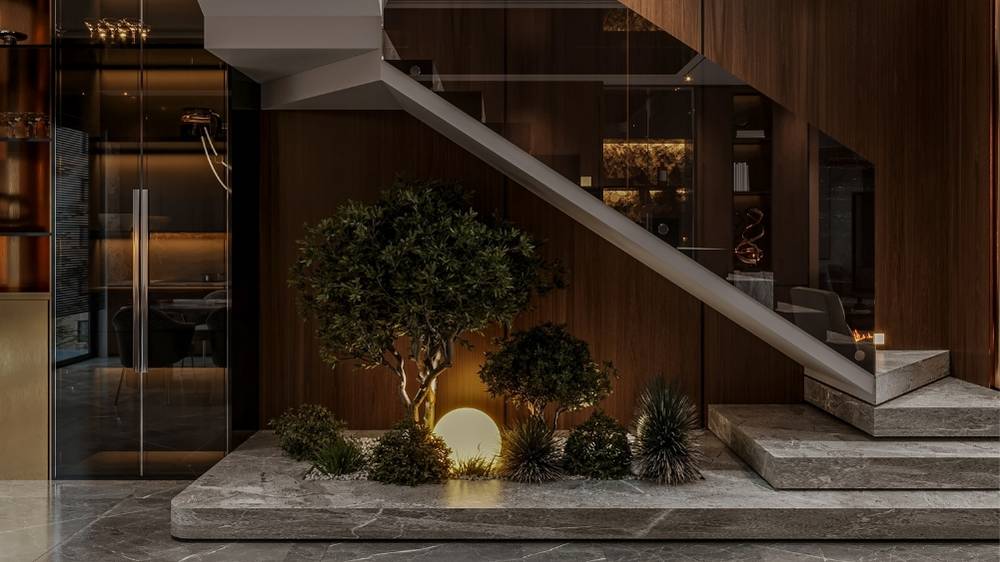
- Stone and marble accents
- Eco-friendly flooring
- Energy-efficient lighting
- Low-VOC paints
Natural materials introduce texture and authenticity while supporting environmentally conscious design decisions.
3. Multifunctional Spaces
As remote work and flexible living arrangements become more common, interior layouts are adapting.
Contemporary homes now include:
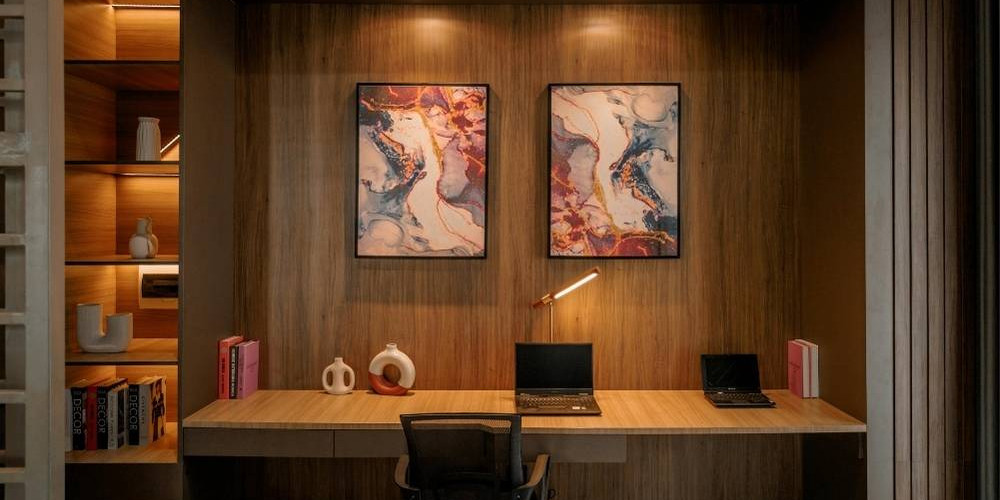
- Integrated home office areas
- Flexible living-dining combinations
- Modular furniture
- Built-in storage solutions
- Convertible guest spaces
Design now supports dynamic living rather than fixed room purposes.
4. Statement Lighting as a Focal Point
Lighting is no longer purely functional — it is a design feature.
Trends include:
- Sculptural pendant lights
- Oversized floor lamps
- Layered lighting systems
- Integrated LED features
- Architectural wall lighting
Well-planned lighting enhances mood while defining spatial zones within open layouts.
5. Bold Accent Elements
While contemporary design favours neutral foundations, bold accents are gaining popularity.
These may include:
- Statement art pieces
- Deep-toned feature walls
- Textured wallpaper
- Sculptural furniture
- Contrasting cabinetry
Strategic use of bold elements prevents minimal spaces from feeling flat or monotonous.
6. Seamless Indoor-Outdoor Integration
Modern interiors increasingly blur the boundary between indoor and outdoor living.
Design strategies include:
- Large sliding glass doors
- Indoor plants and greenery
- Natural stone continuity
- Outdoor-inspired textures
- Patio extensions that mirror interior aesthetics
This integration enhances natural light and creates a sense of spatial expansion.
7. Smart Home Integration
Technology plays a major role in shaping contemporary interiors.
Modern homes incorporate:
- Automated lighting systems
- Smart climate control
- Voice-activated assistants
- Integrated security systems
- Concealed charging stations
Design now accommodates digital infrastructure while maintaining clean visual lines.
8. Curved Forms and Soft Geometry
Sharp angles are increasingly complemented by softer silhouettes.
Popular elements include:
- Rounded sofas
- Arched doorways
- Curved kitchen islands
- Circular mirrors
- Organic-shaped décor
These shapes introduce movement and visual softness into structured spaces.
9. Textural Layering
Texture adds depth to contemporary interiors without overwhelming simplicity.
Layering may include:
- Woven rugs
- Textured upholstery
- Matte and glossy surface contrast
- Mixed metals
- Fabric wall panels
Textural variation enhances visual richness while maintaining a cohesive aesthetic.
10. Personalised Contemporary Spaces
Modern design increasingly embraces individuality. Rather than rigidly following trends, homeowners blend contemporary principles with personal expression.
This may include:
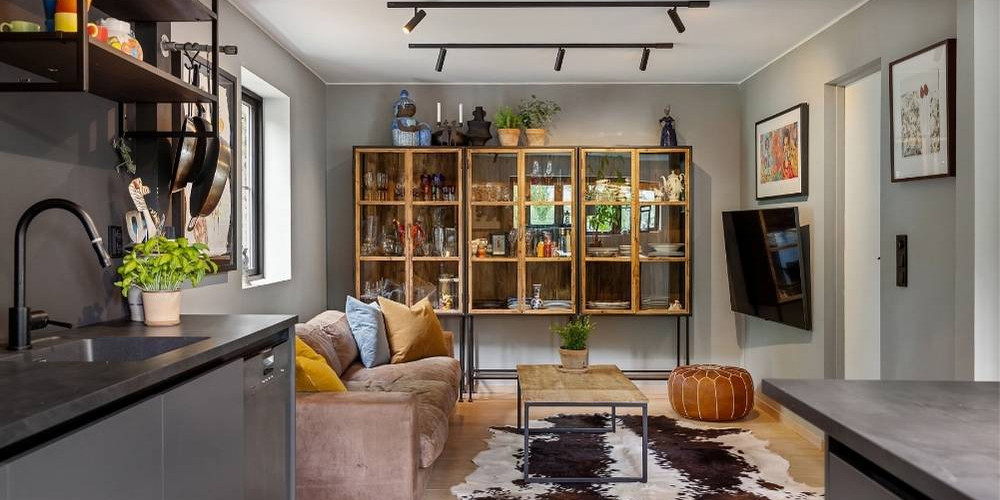
- Curated art collections
- Cultural décor influences
- Custom furniture pieces
- Meaningful decorative accents
Personalisation ensures that contemporary interiors remain authentic rather than formulaic.
Strategic Takeaway
Contemporary home design trends emphasise balance — between minimalism and warmth, technology and comfort, functionality and aesthetics.
By incorporating:
- Sustainable materials
- Flexible layouts
- Strategic lighting
- Smart technology
- Textural depth
- Personalised accents
homeowners can create interiors that feel modern, adaptable, and enduring.
Contemporary design is not defined by fleeting trends but by thoughtful evolution. When executed with intention, it produces spaces that reflect today’s lifestyle while remaining relevant for years to come.