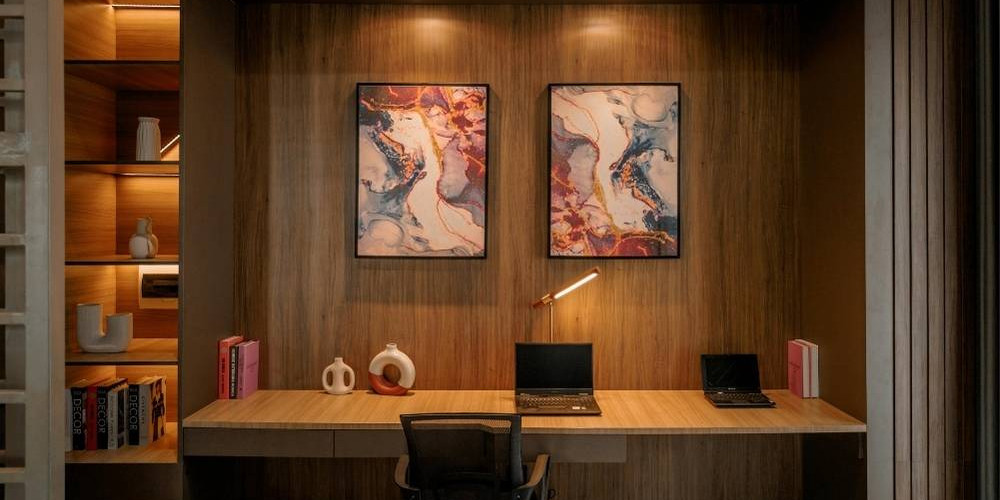
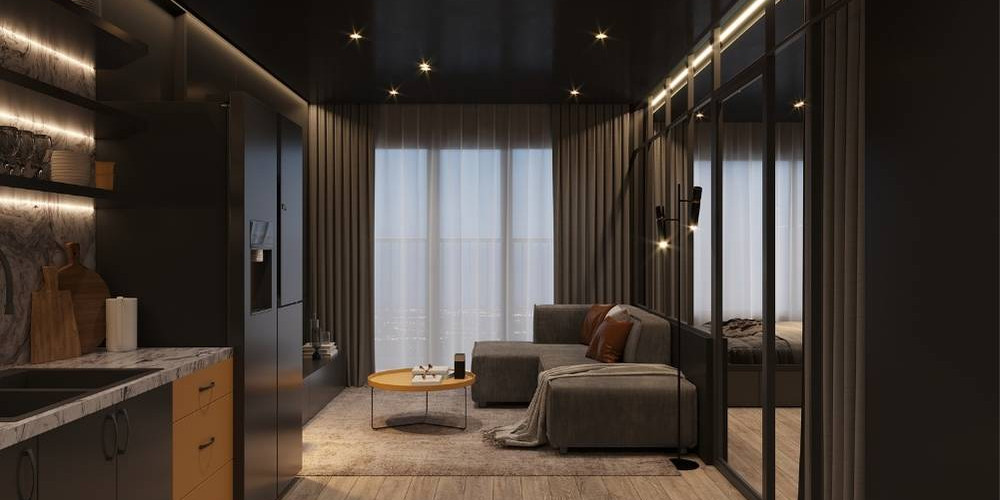
Choosing the right interior design inspiration is one of the most important decisions in creating a home that feels cohesive, functional, and reflective of your personality. With endless visual ideas across digital platforms, design magazines, and showrooms, the challenge is no longer access — it is selection.
The key to choosing the perfect interior design inspiration lies in clarity, practicality, and long-term alignment rather than short-term trends.
Why Interior Design Inspiration Matters
Interior design inspiration acts as a visual and conceptual foundation for your home. It guides decisions related to:
- Colour palettes
- Furniture selection
- Lighting layout
- Materials and textures
- Spatial arrangement
- Decorative accents
Without a clear inspiration framework, spaces often feel disconnected or inconsistent.
1. Define Your Lifestyle First
Before exploring aesthetics, evaluate how you live.
Consider:
- Do you entertain frequently?
- Do you work from home?
- Do you prefer minimal upkeep?
- Is the space family-oriented?
- Do you value comfort over formality?
Your daily habits should influence design direction. For example, a high-traffic household may prioritise durable materials over delicate finishes.
A design that fits your lifestyle will remain satisfying long after trends change.
2. Identify Your Personal Aesthetic Preferences
Start gathering visual references that resonate with you. Look for patterns in:
- Colour tones (neutral, warm, cool, bold)
- Shapes (clean lines vs. curved forms)
- Materials (wood, metal, marble, fabric)
- Mood (calm, dramatic, airy, cosy)
You may find yourself gravitating toward specific styles such as:
- Modern
- Contemporary
- Scandinavian
- Industrial
- Minimalist
- Transitional
- Rustic
Rather than copying a single room, focus on identifying consistent visual elements across multiple inspirations.
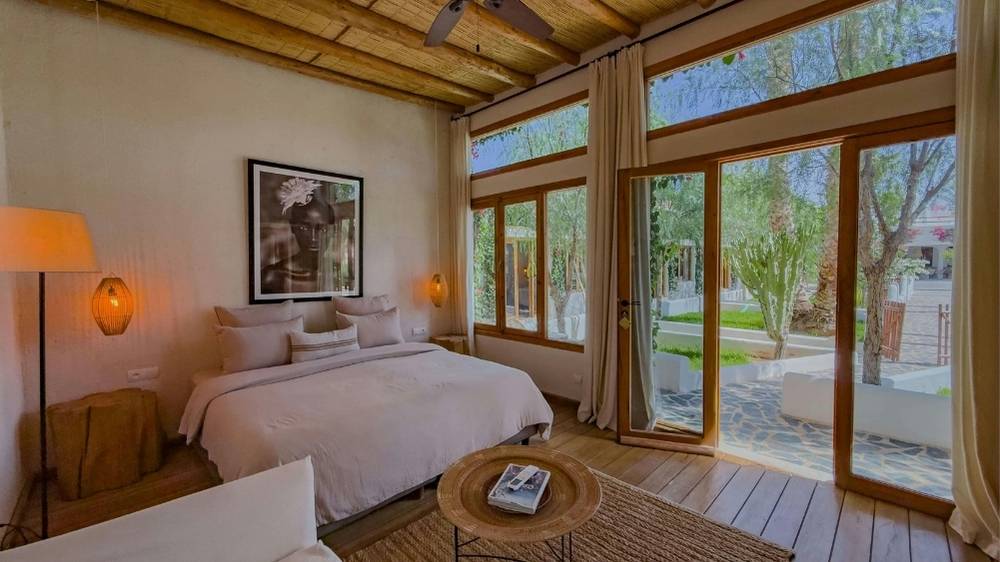
3. Consider Architectural Context
Your home’s architecture should influence design choices.
Evaluate:
- Ceiling height
- Window placement
- Natural light exposure
- Structural layout
- Existing flooring or built-ins
For example, minimalist interiors complement open-plan layouts, while classic architectural homes may suit traditional or transitional styles.
Aligning inspiration with structural realities ensures design harmony.
4. Prioritise Function Alongside Style
A visually appealing space that lacks functionality quickly becomes frustrating.
When selecting inspiration, assess:
- Storage solutions
- Traffic flow
- Lighting practicality
- Furniture proportions
- Multi-purpose usage
Design should enhance daily living rather than complicate it.
Functional alignment is essential for long-term satisfaction.
5. Evaluate Colour Strategy Carefully
Colour influences mood, perceived space, and cohesion.
When choosing inspiration:
- Determine whether you prefer monochromatic or contrasting palettes
- Assess how natural light affects colour appearance
- Consider long-term comfort with bold tones
- Balance accent colours with neutral foundations
Timeless base palettes often provide flexibility for evolving décor preferences.
6. Avoid Overcommitting to Short-Term Trends
Design trends evolve quickly. While trends can provide inspiration, building a home around temporary aesthetics may require costly updates later.
Instead:
- Use trends sparingly through décor accents
- Invest in timeless foundational elements
- Focus on quality materials
- Prioritise adaptability
Sustainable design decisions protect long-term value.
7. Create a Cohesive Design Narrative
Each room should feel connected to the overall home aesthetic.
Cohesion can be achieved through:
- Repeating colour themes
- Consistent material choices
- Unified lighting styles
- Complementary furniture shapes
A clear design narrative prevents visual fragmentation.
8. Balance Budget with Vision
Inspiration should align with realistic financial planning.
Evaluate:
- Material costs
- Furniture investment priorities
- Renovation expenses
- Phased implementation options
Strategic budgeting ensures that design choices remain sustainable rather than impulsive.
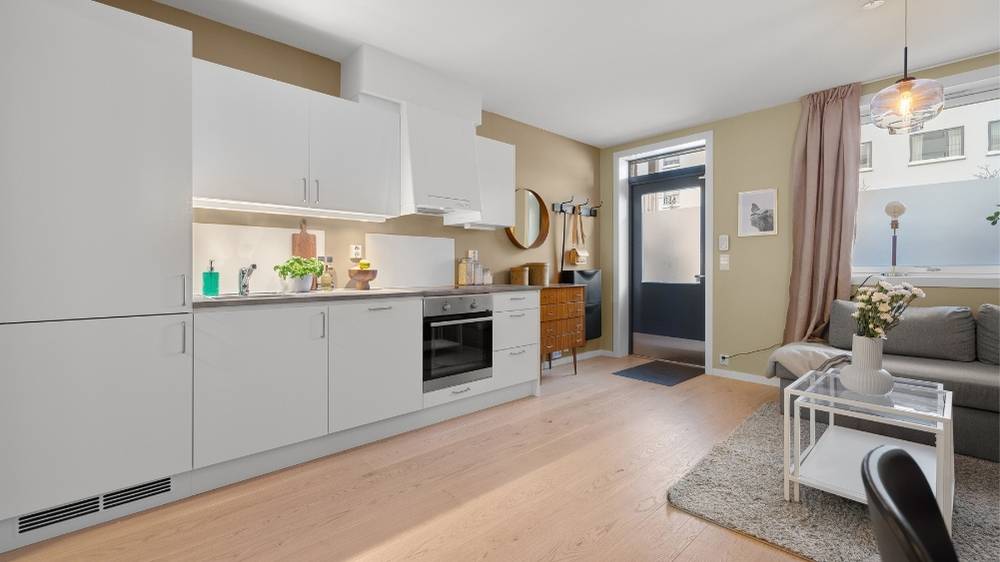
9. Think Long-Term Comfort and Adaptability
Homes evolve as lifestyles change. Choose inspiration that allows flexibility.
Consider:
- Neutral structural elements
- Modular furniture
- Layered décor that can be updated
- Adaptable lighting configurations
Design that evolves with you ensures enduring relevance.
10. Seek Professional Guidance When Needed
If overwhelmed by choices, professional interior consultation can provide clarity. Designers help translate abstract inspiration into structured plans while maintaining cohesion and practicality.
Professional input often saves time, reduces costly mistakes, and enhances overall design execution.
Strategic Takeaway
Choosing the perfect interior design inspiration requires more than aesthetic preference. It demands alignment with lifestyle, architectural context, functionality, and long-term goals.
By focusing on:
- Personal habits
- Structural compatibility
- Timeless design principles
- Practical functionality
- Budget discipline
- Cohesive planning
you create a home that feels intentional, balanced, and enduring.
Inspiration should not simply look beautiful — it should support the way you live every day.