
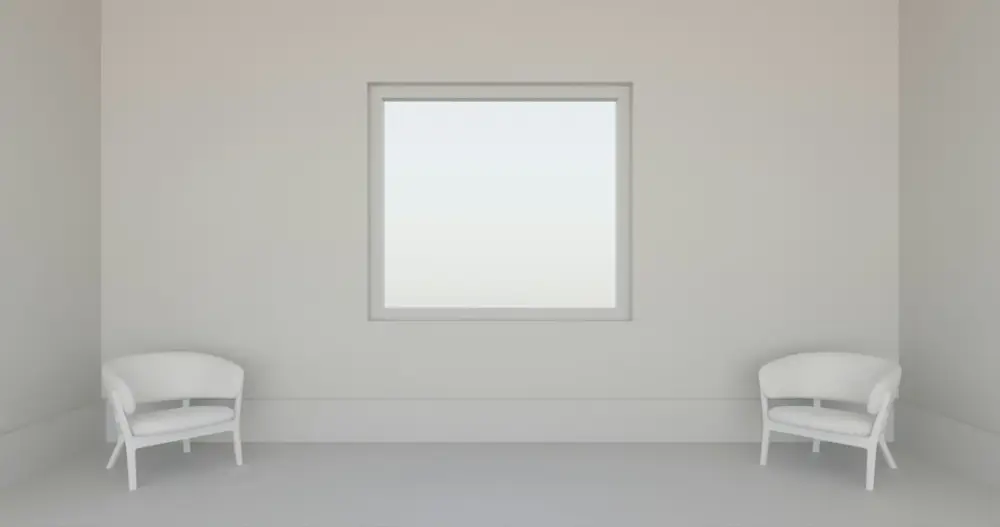
Minimalist interior design is an aesthetic approach defined by simplicity, clean lines, and a 'less is more' philosophy. It prioritises functionality and essentialism, utilising open floor plans, neutral colour palettes, and purposeful furniture. By removing unnecessary clutter, this design style creates a sense of visual clarity, tranquillity, and intentionality within a living environment.
While often perceived as a modern trend, minimalism is a deeply rooted philosophy that challenges the consumerist drive to accumulate. It encourages homeowners to evaluate the necessity of every object, ensuring that the physical environment supports mental clarity rather than detracting from it. In an era of constant digital noise, the minimalist home serves as a sanctuary of curated focus.
What is Minimalist Interior Design?
At its core, minimalist interior design is the art of achieving the maximum effect with the minimum means. It is not merely the absence of things, but rather the presence of space. This design movement emerged in the mid-20th century, heavily influenced by Japanese traditional design and the Zen philosophy of Ma—the celebration of the space between objects. It gained further traction through the Bauhaus movement, which championed the idea that form should follow function.
In a minimalist home, every element is intentional. From the architectural layout to the placement of a single ceramic vase, the goal is to create a cohesive whole that feels balanced and light. This approach rejects the ornate and the superfluous, focusing instead on the inherent beauty of materials and the quality of light. By stripping away distractions, minimalism allows the architecture and the inhabitants' experiences to take centre stage.
Educational perspectives on minimalism often highlight its psychological benefits. A cluttered environment can lead to increased cortisol levels and a fragmented attention span. Conversely, a minimalist space promotes a sense of calm and order, making it easier for the brain to process information and rest. This makes the style particularly popular for those seeking a lifestyle of mindfulness and productivity.
The Core Principles of a Minimalist Aesthetic
To successfully implement a minimalist aesthetic, one must adhere to several foundational principles that govern the arrangement and selection of items within a space. These principles ensure that the design remains functional without becoming cold or sterile.
- Functionality and Essentialism: Every piece of furniture or decor must serve a clear purpose. If an item does not provide utility or a significant emotional value, it is considered clutter. This rigorous editing process is a hallmark of Home Design that prioritises the user experience over display.
- Clean Lines and Simple Forms: Minimalist furniture typically features flat surfaces, sharp angles, or smooth curves. Elaborate carvings, fringes, and complex patterns are avoided in favour of geometric purity.
- Negative Space: Also known as "white space," negative space is the area around and between the subjects of a design. In minimalism, the floor and walls are allowed to breathe, which enhances the perceived size of the room and highlights the beauty of the few items that remain.
- Quality Over Quantity: Because there are fewer items in a room, the quality of each piece becomes paramount. Minimalists often invest in high-end craftsmanship and durable materials that stand the test of time, rather than disposable, mass-produced goods.
By following these principles, homeowners can create a layout that feels intuitive. For instance, in Small Spaces, the use of multi-functional furniture and the strategic placement of mirrors can amplify the minimalist effect, making a compact area feel expansive and airy.
Selecting Essential Materials and Neutral Color Palettes
The visual success of a minimalist room depends heavily on the choice of materials and colours. Without the distraction of patterns or bold hues, the eye becomes more sensitive to texture and subtle shifts in tone. A neutral colour palette is the backbone of this style, typically consisting of whites, beiges, greys, and muted earth tones.
The Power of Monochromatic Schemes
Using a monochromatic palette does not mean a room must be entirely white. Instead, it involves using varying shades and tints of a single colour to create depth. For example, a living room might feature a soft grey sofa, a charcoal rug, and light silver-grey walls. This layering creates visual interest without breaking the sense of continuity.
Tactile Materials
To prevent a neutral room from feeling "flat," designers introduce a variety of textures. Natural materials are preferred for their organic feel and durability. Common choices include:
- Wood: Light woods like ash, birch, or oak add warmth to a room while maintaining a clean look.
- Stone: Polished concrete, marble, or slate provide a sense of permanence and coolness.
- Textiles: Natural fibres like linen, wool, and cotton add softness. A chunky knit throw or a linen curtain can provide the necessary tactile contrast to a smooth glass coffee table.
- Metal: Brushed steel, chrome, or matte black accents are often used for fixtures and furniture legs to provide a modern, industrial edge.
Light is also treated as a material in minimalist design. Large windows that allow for maximum natural light are essential. When natural light is unavailable, recessed lighting and sleek, hidden fixtures are used to illuminate the space evenly without adding visual bulk.
Minimalism vs. Modernism: Understanding the Differences
While the terms are often used interchangeably, Minimalism and Modernism represent different concepts in the history of design. Understanding these nuances is key for anyone looking to refine their interior style. According to historical design records on Modernism, the movement began in the late 19th and early 20th centuries as a break from traditional, ornate styles like Gothic or Victorian.
Modernism is a broad cultural and architectural movement. It introduced the use of industrial materials like steel and glass and gave birth to the "International Style." Modernist interiors can be quite colourful and may feature bold, iconic furniture pieces from the mid-century era. It focuses on the industrialisation of the home and the efficiency of the layout.
Minimalism, on the other hand, emerged later, specifically as an art movement in the 1960s and 70s. While it shares Modernism’s love for functionality and clean lines, Minimalism is more reductive. It is a philosophy of "stripping away" until only the essence remains. A Modernist room might have a bright orange chair as a focal point; a Minimalist room would likely keep that same chair in a neutral tone to ensure it blends seamlessly into the environment.
In short, Modernism is a specific era of design, while Minimalism is a timeless approach to living that prioritises the removal of the unnecessary. One can have a Minimalist home that is also Modern, but not all Modern homes are Minimalist.
Achieving Visual Clarity and Transparency in Your Living Space
At Transparentsea, we believe that visual clarity in your environment directly correlates with clarity of mind. Achieving this state requires a disciplined approach to how we occupy our living spaces. Transparency in design isn't just about glass walls; it is about honesty in materials and the removal of hidden clutter.
To achieve true visual clarity, one must look beyond the surface. This involves implementing smart storage solutions that hide the "noise" of daily life—cables, remote controls, and paperwork—while leaving the surfaces clear. When the eye can sweep across a room without being snagged by piles of objects, the brain can more easily enter a state of relaxation or deep focus.
Practical Steps for Visual Clarity:
- The One-In, One-Out Rule: For every new item brought into the home, one must be removed. This prevents the slow creep of clutter over time.
- Transparent Elements: Utilising glass or acrylic furniture can maintain the functionality of a piece (like a desk or coffee table) while keeping the visual field open. This is a core technique for maintaining an "unbroken" view of a room.
- Intentional Curation: Instead of a gallery wall with twenty pictures, choose one large-scale piece of art that speaks to the room’s purpose. This creates a singular, powerful focal point.
- Uniformity: Use consistent hangers in closets, matching jars in the pantry, and a unified colour palette for towels. This reduces visual friction in the areas of the home that are usually the most chaotic.
Ultimately, minimalist interior design is a tool for inspired living. By curating a space that reflects our values and removes the superfluous, we create room for what truly matters: connection, creativity, and peace. Visual clarity is not about living in a vacuum; it is about creating a transparent environment where your life, not your belongings, takes centre stage.